

The history
At the time when the Byzantine period ended and the Venetian occupation of Crete began, there was already a flourishing settlement here. The village of Margarites had always been blessed with fertile land, a mild climate and rich cultural heritage. In 1332 the Venetians burnt it down, because its inhabitants refused to pay the excessive taxes. Later they took part in the revolution incited by the Kallergis brothers, of the “powerful” aristocratic family resident in the Mylopotamos area since the Byzantine era.
read more
When peace was restored, the Cretan Renaissance began. Byzantine traditions, the Renaissance from the West and the Cretan spirit and mentality merged and gave birth to great cultural achievements and prosperity. During the Renaissance the village of Margarites was added with Villa, coats of arms, mansions (residence of Jannaki Dandolo, the Moatsos family castle, Katochoria villa), churches (Michael the Archangel’s, Saint Paraskevi’s in Laggos, Saint Dimitris, etc.), beautiful gardens and monastery dependencies. The travelers Pockeque (1779) and Savary (1778) mention the village of Margarites pointing out its natural beauty, the abandoned aristocratic residences, the excellent olive oil, as well as its ceramics, which “resemble the Minoan urns”, During the 1829-1830 period the village served as the seat of the Revolutionary Council. Furthermore Gabriel Marinakis was born and raised here; Gabriel Marinakis later became the Prior of the Arkadi Monastery and was one of the leading figures in the blowing up of the monastery in the name of freedom in 1866. From 1880 onwards the village has once again been flourishing.
The history
At the time when the Byzantine period ended and the Venetian occupation of Crete began, there was already a flourishing settlement here. The village of Margarites had always been blessed with fertile land, a mild climate and rich cultural heritage.
read more
In 1332 the Venetians burnt it down, because its inhabitants refused to pay the excessive taxes. Later they took part in the revolution incited by the Kallergis brothers, of the “powerful” aristocratic family resident in the Mylopotamos area since the Byzantine era. When peace was restored, the Cretan Renaissance began. Byzantine traditions, the Renaissance from the West and the Cretan spirit and mentality merged and gave birth to great cultural achievements and prosperity. During the Renaissance the village of Margarites was added with Villa, coats of arms, mansions (residence of Jannaki Dandolo, the Moatsos family castle, Katochoria villa), churches (Michael the Archangel’s, Saint Paraskevi’s in Laggos, Saint Dimitris, etc.), beautiful gardens and monastery dependencies. The travelers Pockeque (1779) and Savary (1778) mention the village of Margarites pointing out its natural beauty, the abandoned aristocratic residences, the excellent olive oil, as well as its ceramics, which “resemble the Minoan urns”, During the 1829-1830 period the village served as the seat of the Revolutionary Council. Furthermore Gabriel Marinakis was born and raised here; Gabriel Marinakis later became the Prior of the Arkadi Monastery and was one of the leading figures in the blowing up of the monastery in the name of freedom in 1866. From 1880 onwards the village has once again been flourishing.
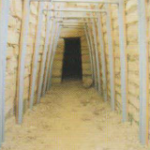
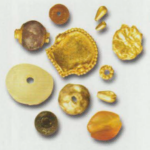
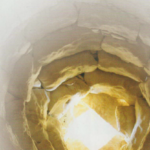
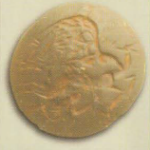
Late Minoan tomb of Margarites
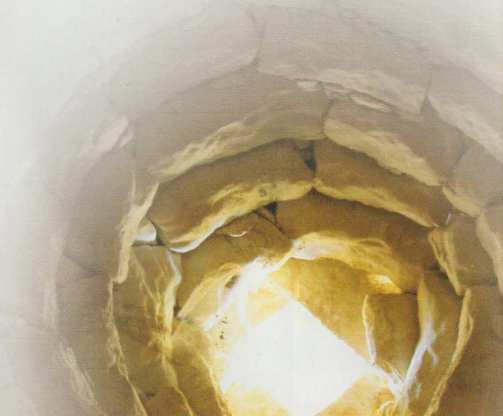
The late Minoan Tomb, dating from 1350 B.C., is one of the most important monuments in Margarites village, as well as the whole prefecture of Rethymnon. The tomb is situated on the northwestern side of Margarites, east of the crossroad to Orthes village.
read more
An impressive long corridor at the entrance of the tomb, built with massive carved stones, leads to a circular chamber with a dome. Archaeological research discovered the remains of two adults and two children that had been entombed.
The rest of the findings indicate that the deceased had an important social and religious status in the local society.
The Architecture
Farmer’ s accomplishments, Memories of the nobility, Urban influence
The neighborhoods of this village are closely- knit and protected by high walls. If you are in a mood for tracing history you will discover its secrets. More specifically: the history of the people can be “read” from the late Byzantine period up until today.
read more
You will find stone-built farmers’ houses consisting of one single room with the fireplace as sole decoration. The house gave shelter to both family and livestock during difficult times. Venetian villas are fortified with chiseled exterior walls, the gentry’ s mansion$ are equipped with loopholes and hidden coats of arms. Interior yards furnished with kilns, Winepresses, troughs and oil – presses are hidden reuse there.is the “ontas”, the large drawing room, which was copied \urban architecture of the Renaissance in the town of Rethymno, and the “doma”, the chamber, which has been the most hospitable and cozy. part of the building since Minoan times.
Perhaps you will pass a vine bower on a hot summer day and will be invited to have a coffee in its shade. Further attention should be paid to the locks, the hinges, the doors and their lintels, displaying carved performances, through which the local craftsmen have left us their perception of the beautiful and the extraordinary of that period. Finally, why not take a look — with sympathy – at the modern buildings, which rebuffed tradition (1960- 1970). They are also examples of a period and testify that this place is alive and still developing.
The churches
places of history, places of faith
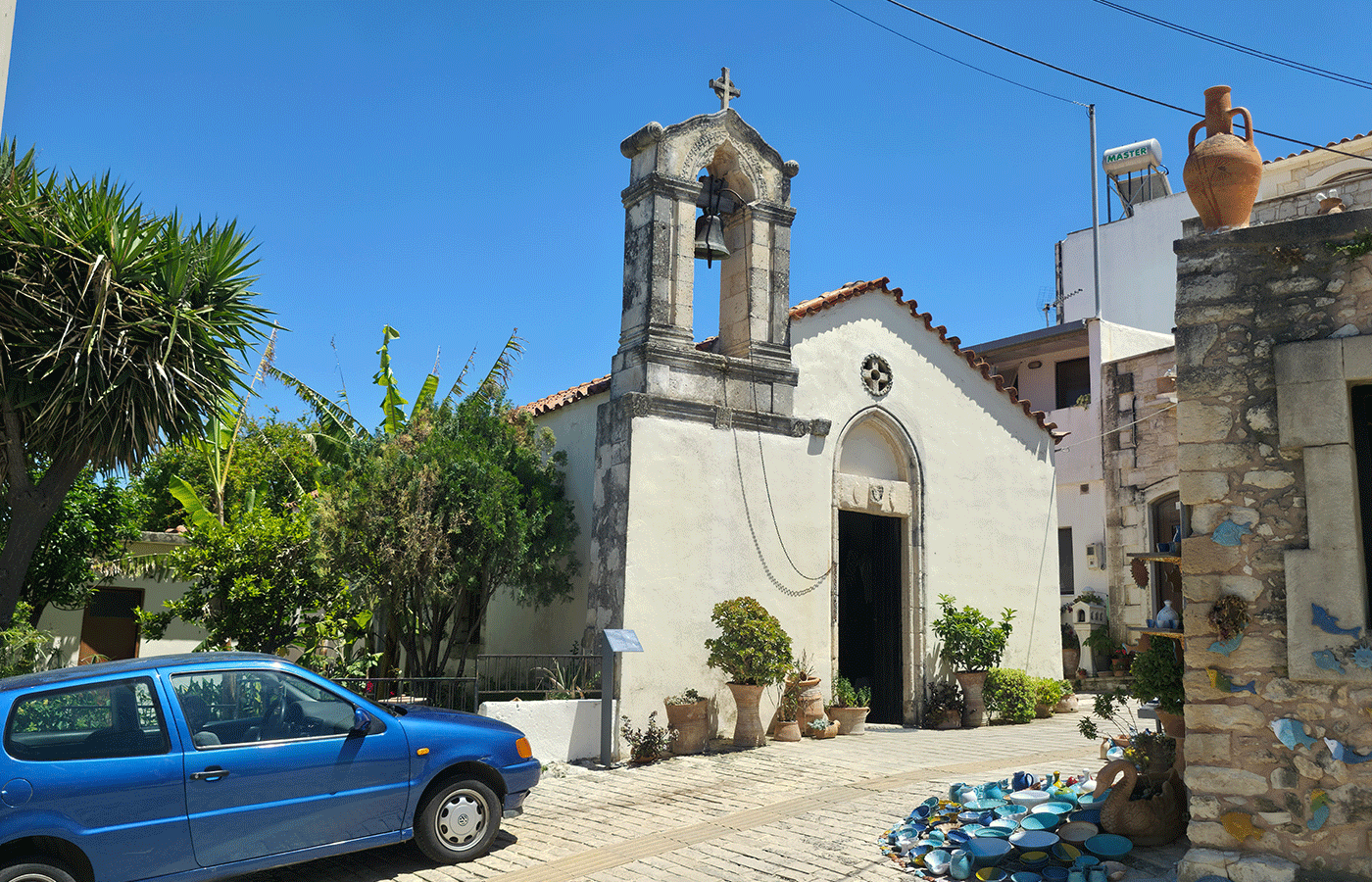
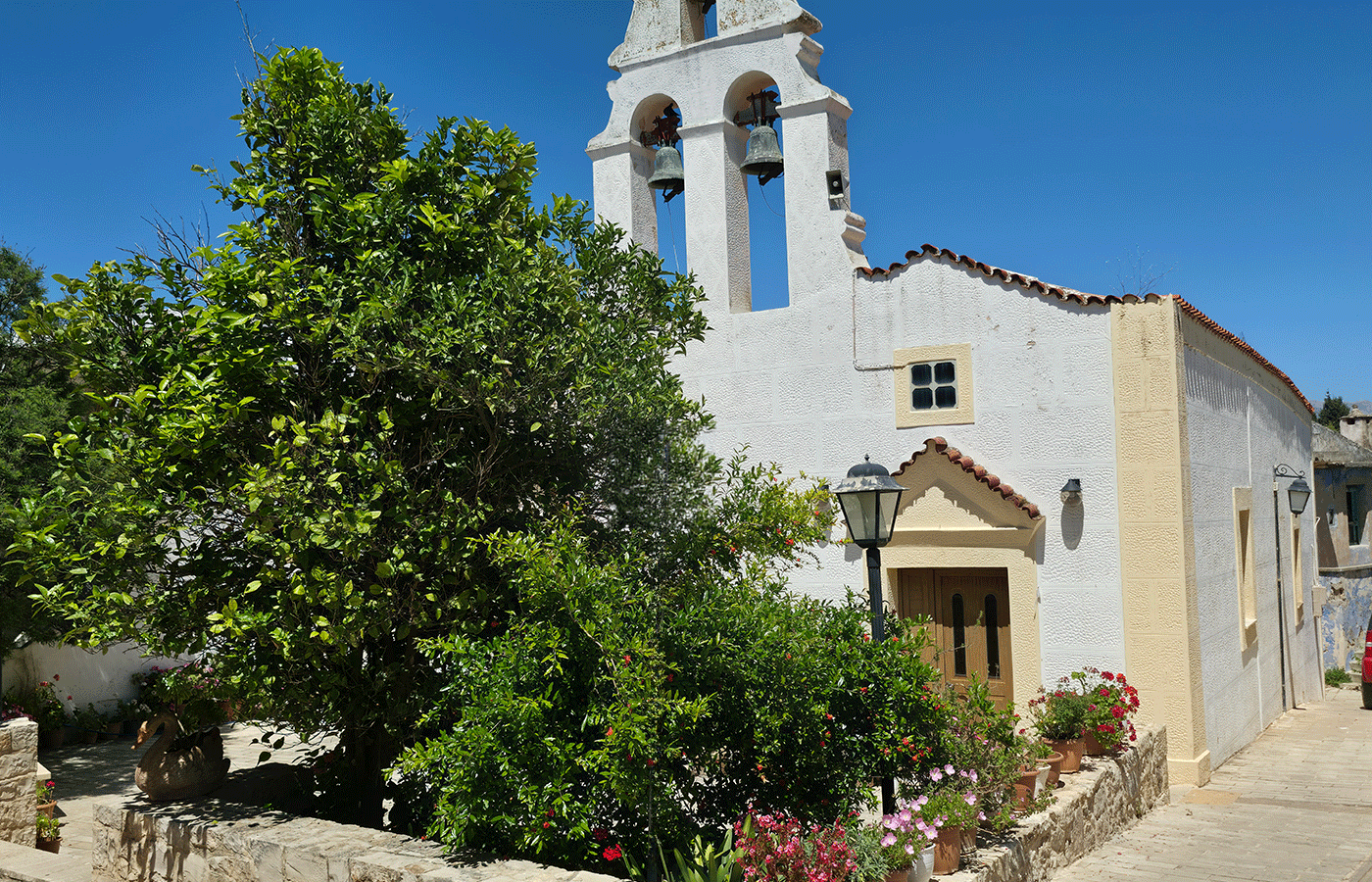
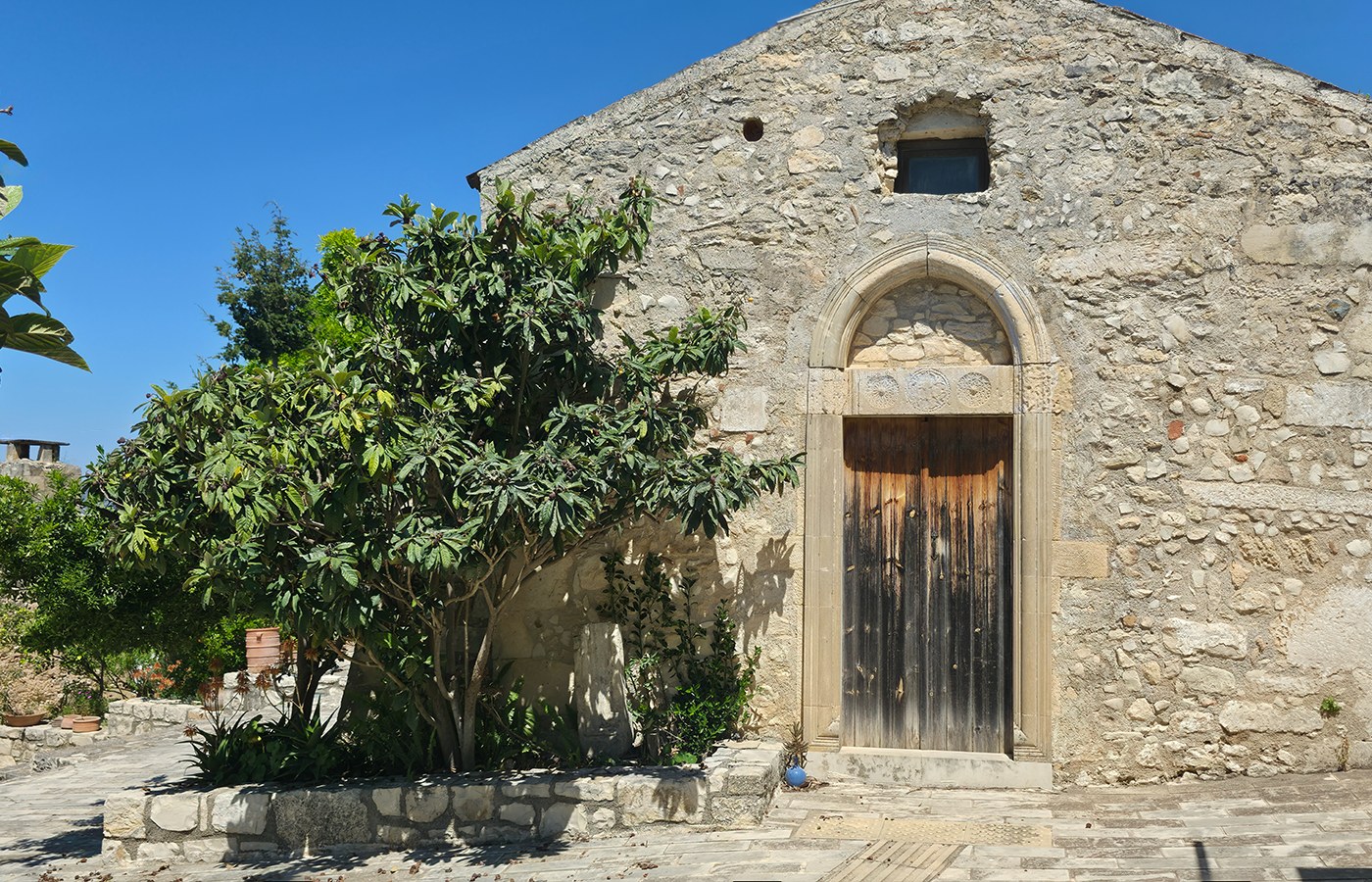
The village of Margarites is architecturally and spiritually connected with its churches, located both inside and outside the village. Visit the oldest church, Saint John the Evangelist with its humble icon screen of stone.
read more
The church yard hosts the remains of some of those killed in the Arkadi blast. You should not miss the beautiful icon screen of the Virgin Mary, or the Renaissance church of Michael Archangel with its tombs and the church of Saint John the Baptist in the centre of the village, where you can light a candle.
Also, the Saint Nicolaos bell tower, a duplicate of the Arkadi monastery´s, is worth visiting, as is the church of Saint Dimitrios of the Dandoli and the Virgin Mary (Panagia) of Keropoula. You can also visit the Monastery of Christ the Redeemer (Sotiras Christos) – Saint Gideon on the eastern side of the village. This monastery is run as a dependency of the Karkallou Monastery in Mount Athos and has been there since the 16th century. The holiness of the place will liberate your soul.
Among a paradise full of flowers, you can enjoy a spectacular view of the region and sense the deep spirituality of the place.
Nature, trails
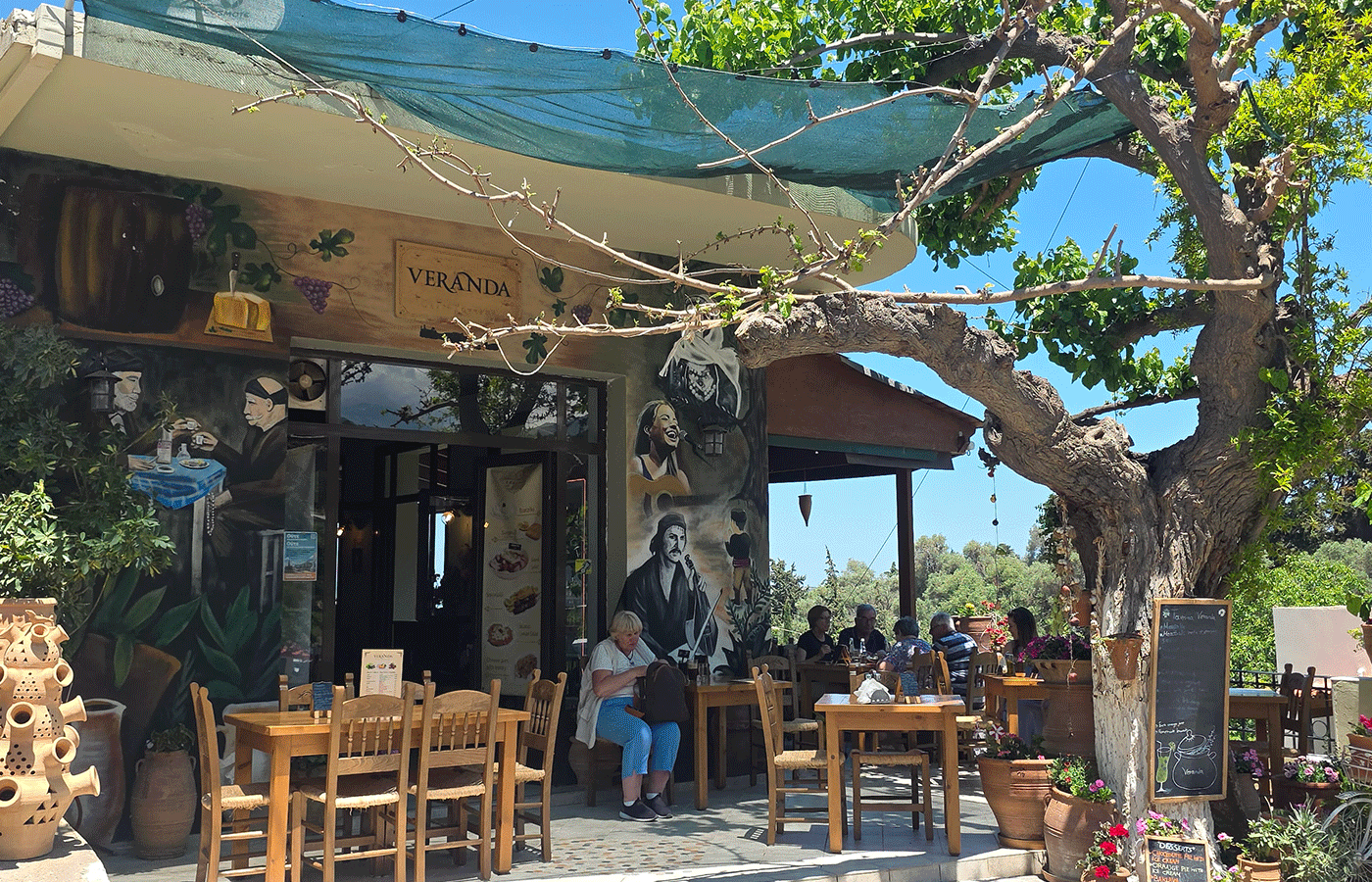
Leave your vehicle either at the northern or the southern entrance of the village and walk. You can explore the little village streets, visit the churches, go up to the monastery, or you may choose to enjoy your coffee, soft drink, or tsikoudia (raki) at one of the village tavernas.
read more
You can look at the sea from afar, enjoy the view, buy ceramics, and if you wish you can also have lunch or dinner here.
If you like hiking you may visit Laggos, the gorge by the village. Walk past the village square, then follow path E4 that leads to the village of Lagga, and ends in the ancient Bridge of Eleftherna. During the hike, you will see many rare flower species, and you will discover the beauty of the countryside. You will be able to admire the Cretan cypress trees that grow in the area. Those who prefer not to walk may enjoy a view of the gorge sitting on the benches on the southern end of, the village. There you can watch the unique sunset of Margarites. Should you wish to stay overnight, you can rent a room or a flat in the village.
Traditional art
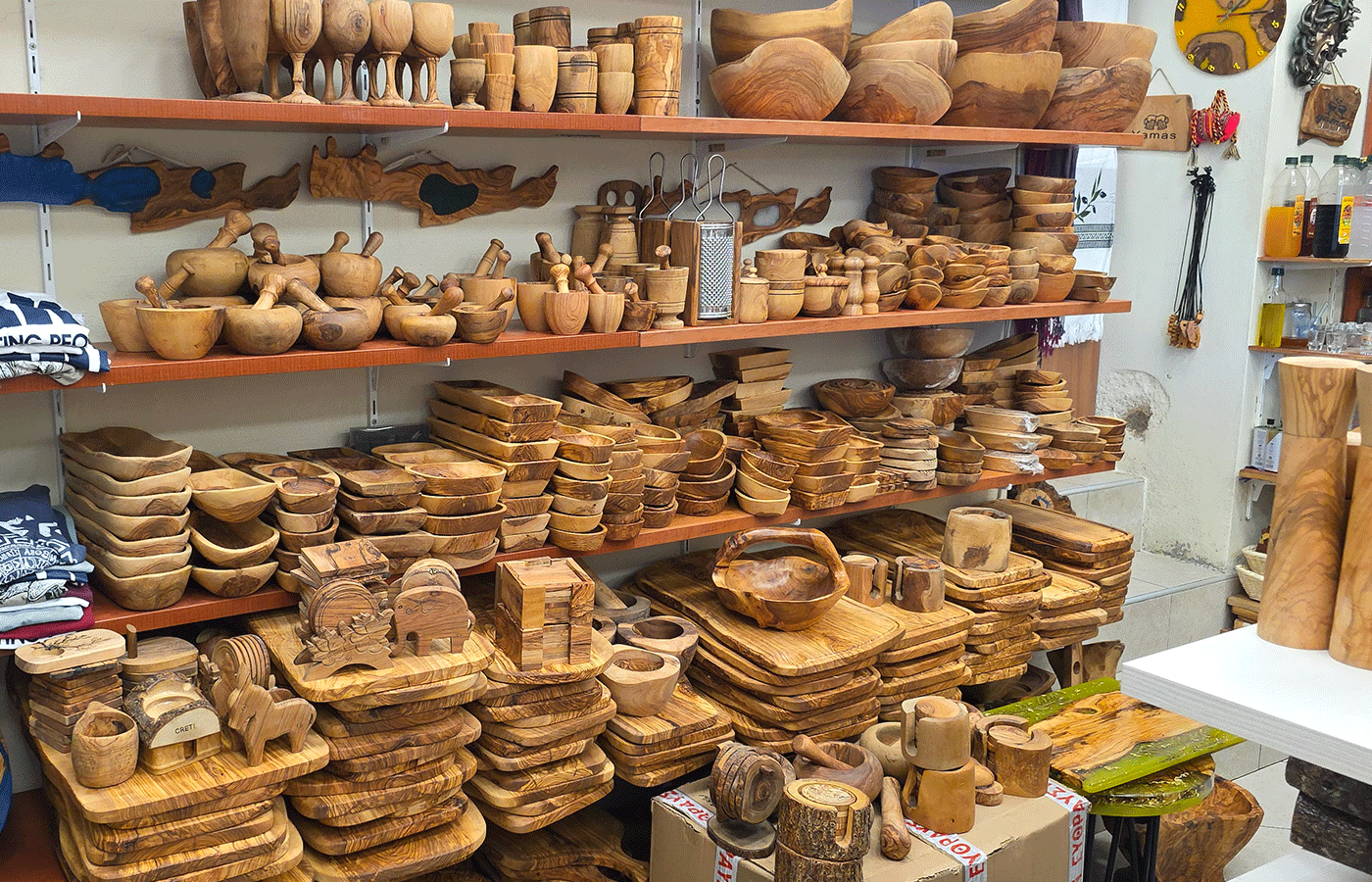
stone, wood, iron, soil...
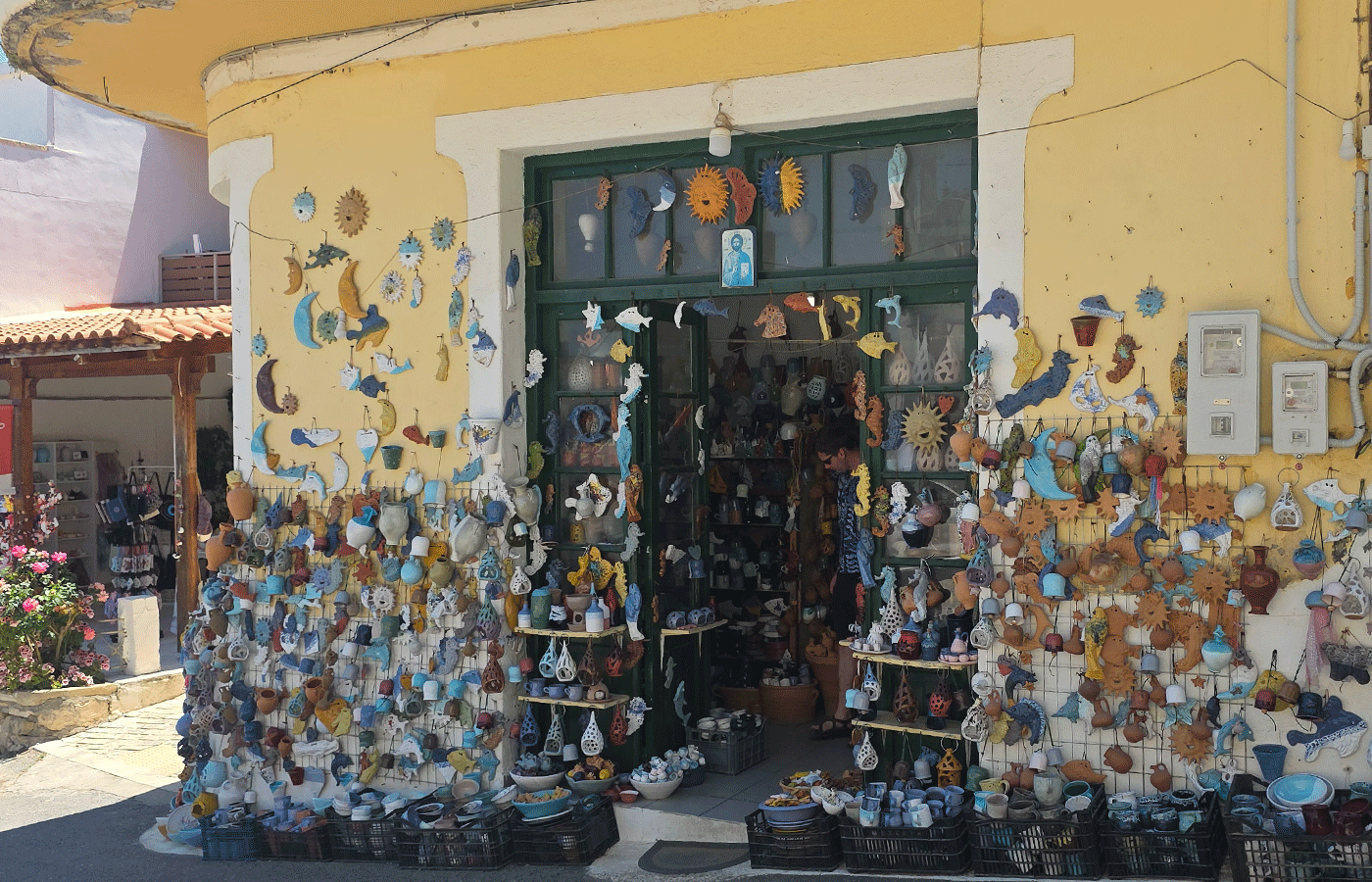
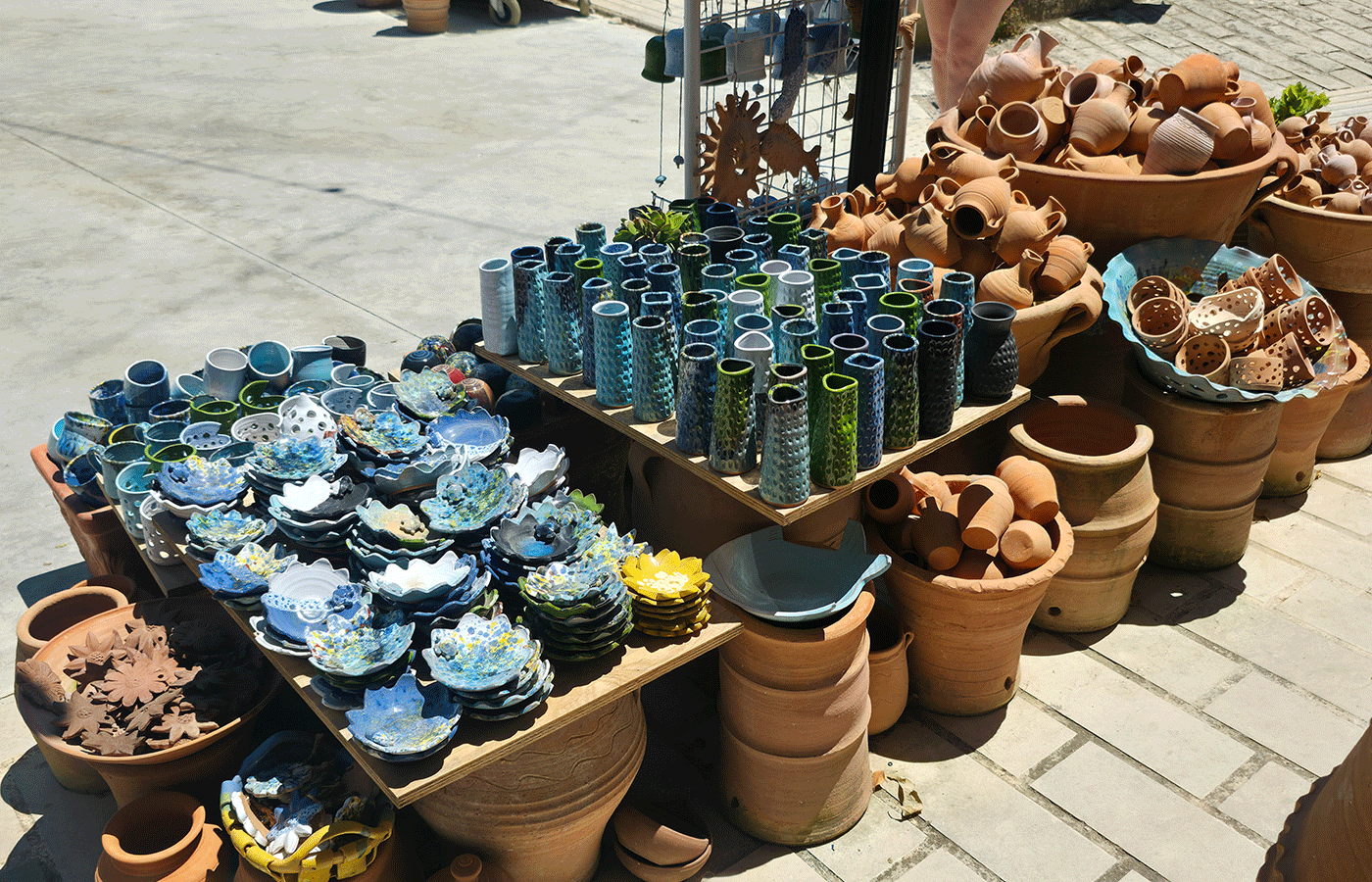
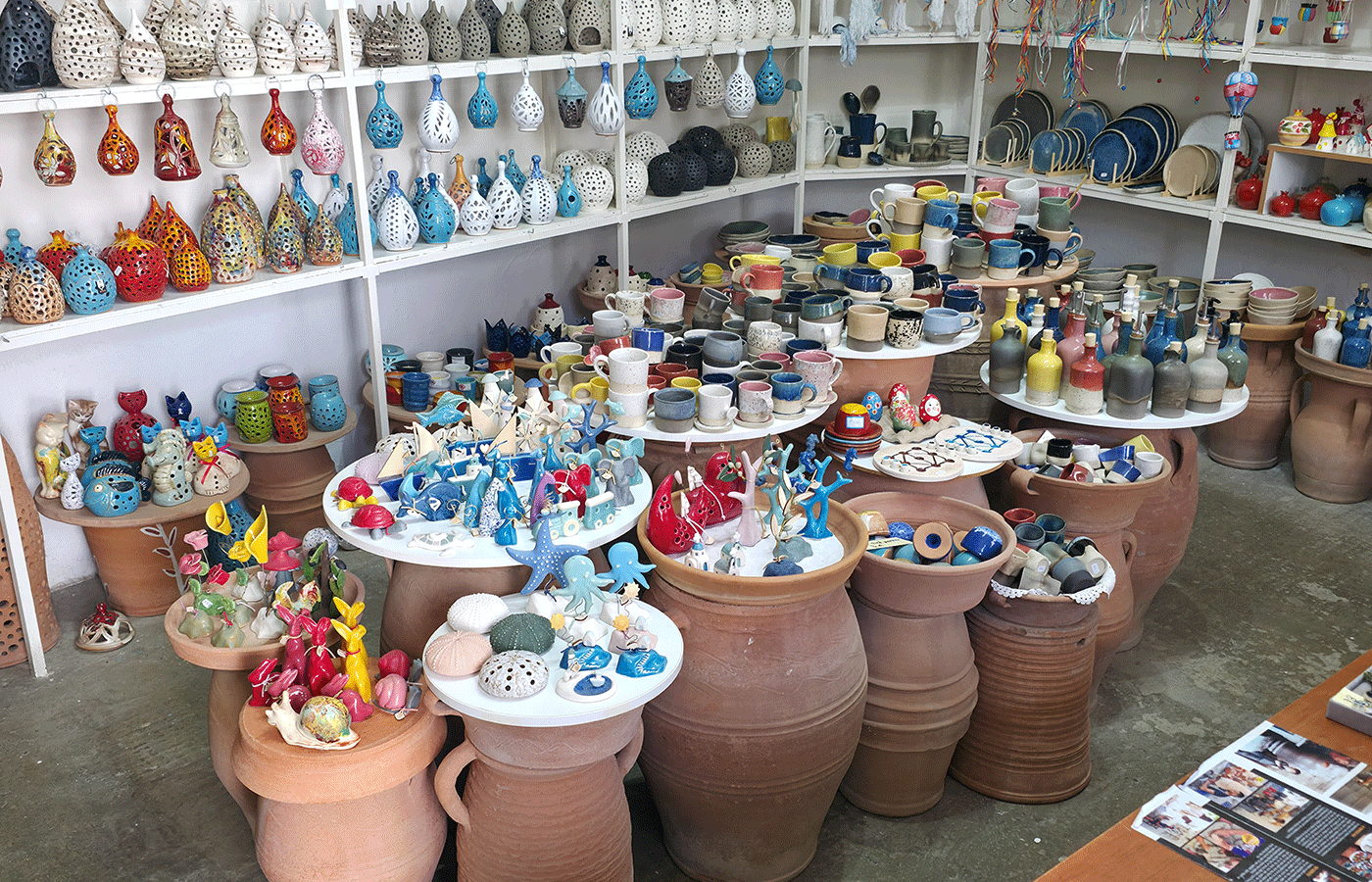
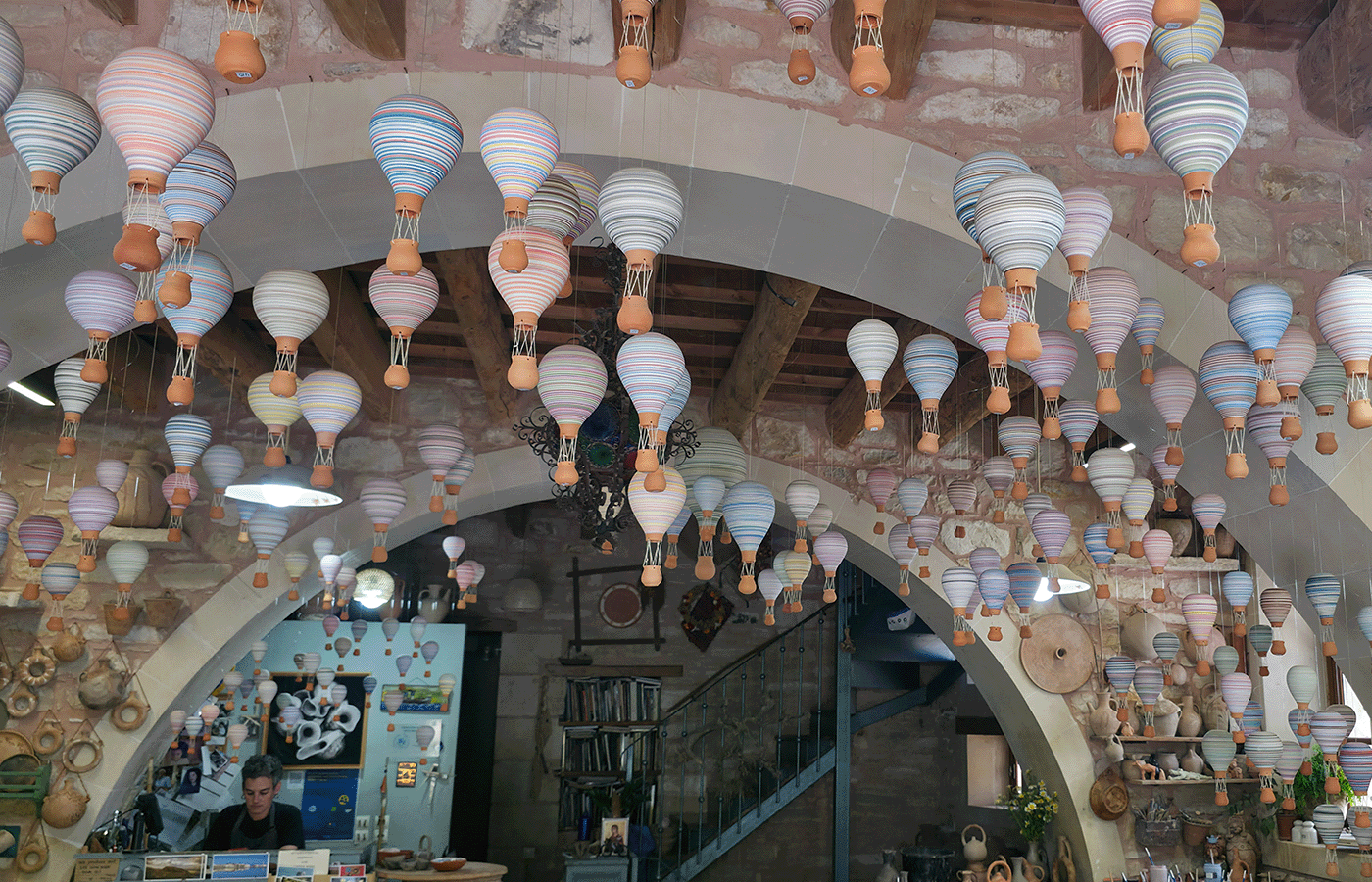
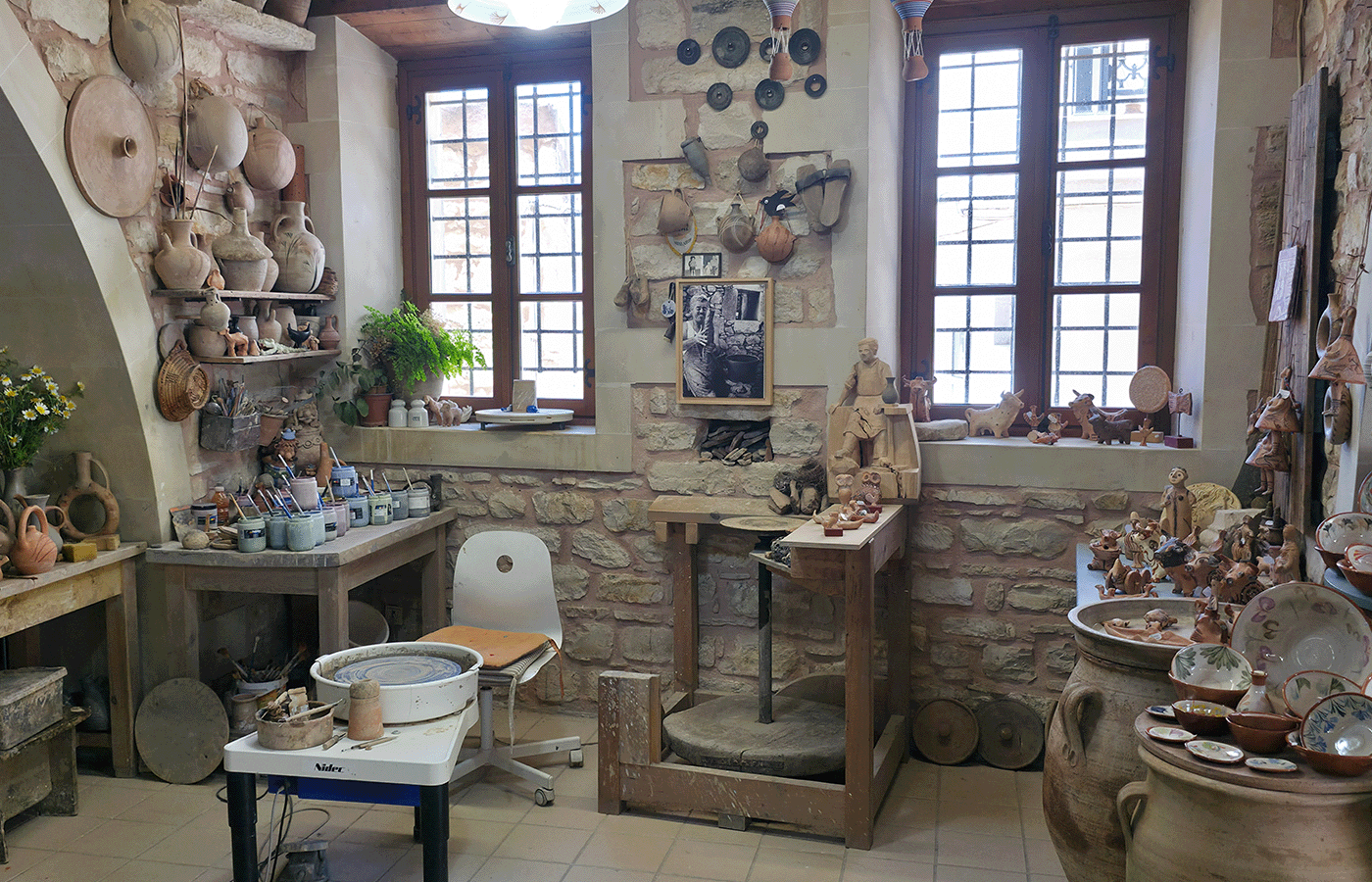
have been first materials that the village craftsmen worked with producing amazing artifacts. Pottery has been – and continues to be – the predominant craft in the village, making Margarites one of the most important centres for ceramics in Greece.
read more
Traditional and modem techniques coexist in perfect harmony in the 16 pottery workshops where the potters also display their creations. You can watch veteran potters working on the foot – operated wheels and fire their vessels in wood – fuel kilns, as well as young potters using electric potter wheels and kilns.
At the village square of Margarites you may visit the Museum of Ceramics, hosting a display of local ceramic artifacts. Further, along the main road south of the village you can find several old pottery workshops known as “tsikalaria”.
This is where Pitharouliana, an old potter’s settlement is located.
Culture, performances
The Cultural Association of Margarites organizes both permanent and seasonal activities in the village all year round. If) you visit Crete at the end of August don’t miss DOMA’s (Creative Group of Margarites) theatrical satirical show, known as BOUDALIA.
read more
BOUDALIA is the result of cooperative work of the young people of Margarites and other areas in the Municipality of Geropotamos. You will be surprised at the quality of the show and you will enjoy yourselves.
During the summer, Maria Tzompanaki’s Cultural Centre “Margarites” offers several interesting cultural events such as concerts, lectures, exhibitions, puppet shows, shadow theatre “’Karagiozis” performances etc.
In Tzanakiana, next to Margarites village, there is a traditional Guest House, “The Kourites Home”, offering hospitality and implementing various cultural and environmental education programs for adults and children.
Famous personalities
places of history, places of faith
In addition to its renowned ceramic art, Margarites is also home to musicians and artisans who perform at local festivals and cultural events.
read more
Traditional Cretan music plays a vital role in village life; indeed, typical instruments such as the lyra and the lute remain among the most important elements of the regional culture to this day.
A notable figure from Margarites was Anna Apostolaki, who was born there and later gained renown as an archaeologist and museum director. She was particularly dedicated to the research and preservation of Greek culture.
Karina Raeck is a German sculptor, photographer, and land artist who has been closely connected with Margarties for many years. She was born in Berlin in 1938 and initially worked as an actress and dancer before dedicating herself entirely to art.
The artists of Margarites seamlessly blend tradition with modern life. Their work establishes the village as a significant cultural hub on Crete, attracting visitors from many different countries.